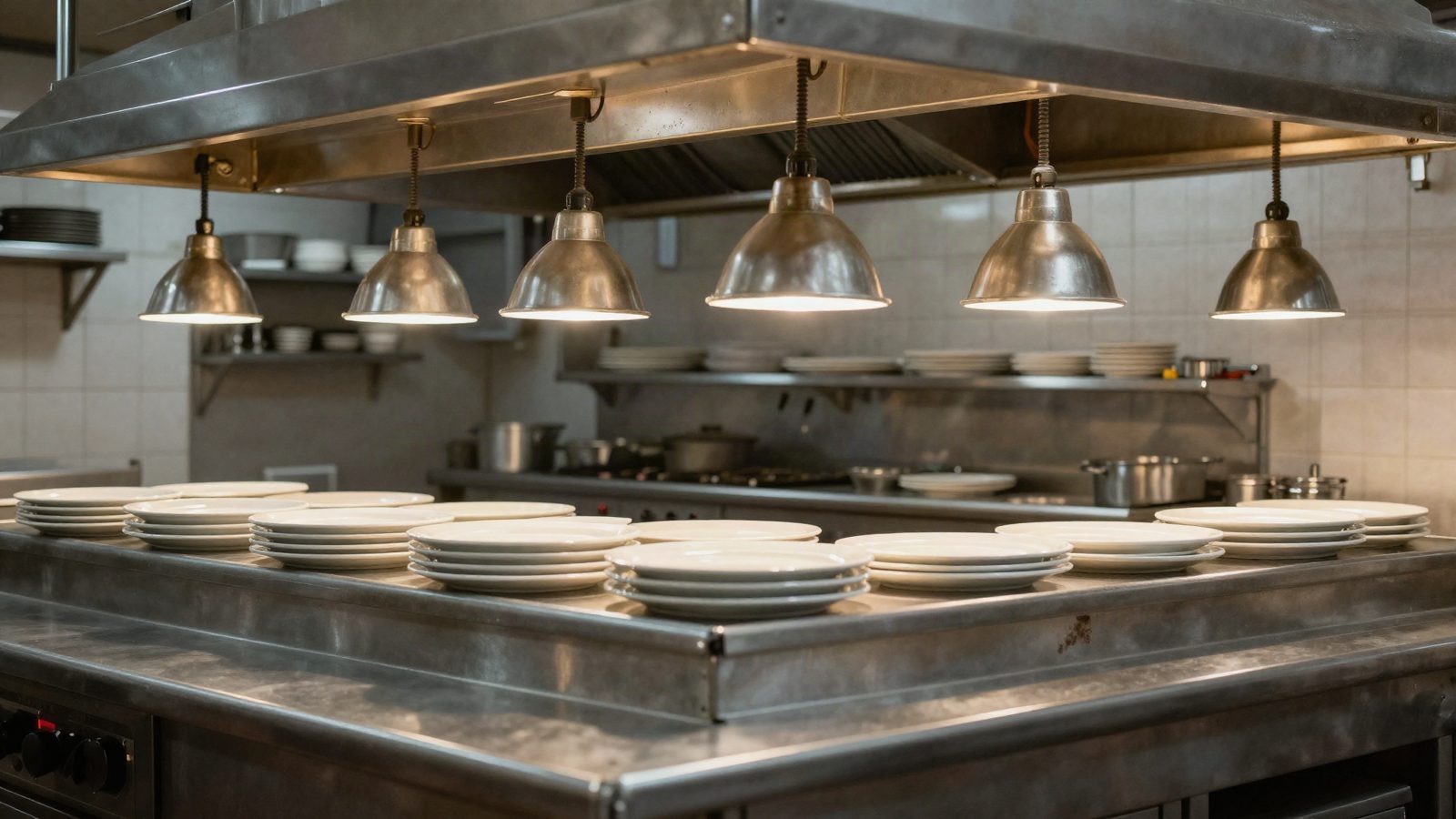
A commercial kitchen offers 3 windows and only 1 of them is convenient for you. Booking maintenance into the wrong window produces a technician standing beside a piece of equipment somebody is cooking on, which is how planned work becomes a wasted visit.
The short version
Preventive maintenance is the one part of the work you control the timing of, which makes it the part that should be efficient and frequently is not.
The constraint is that a working kitchen cannot release equipment during service. A fryer at 12:30 is not available at any price, and a technician who arrives then either waits, works around it, or comes back.
So the scheduling problem is not finding a free slot in your calendar. It is matching your capacity to windows the customer's operation actually leaves open.
The 3 windows, and what each costs
| Window | What it gives you | What it costs |
|---|---|---|
| Early morning, before opening | Full access, cold equipment, nobody in the way | Early starts, and a hard stop when prep begins |
| Mid-afternoon, between services | Normal hours, staff present to grant access | Short, unpredictable, and prep may already be running |
| Closing day or overnight | Unlimited time and full access | Premium labor and nobody on site to ask |
The second is where most maintenance gets booked because it suits the service company, and it is the narrowest and least reliable of the three.
Early morning is the window worth building around
It costs you a shift pattern and it removes almost every access problem.
Before opening, the equipment is cold, the kitchen is empty, panels can come off, and a technician can work through several pieces of equipment without stopping.
What it requires is a decision about staffing rather than scheduling. A service company that runs one or two technicians on an early start, deliberately, has created maintenance capacity that competes with nothing else in the day.
It also usually pays for itself. A morning where four pieces of equipment get serviced properly in three hours compares well with an afternoon where two get done between interruptions.
The constraint to agree in advance is the hard stop. When prep begins, the window closes, and a technician half way into a piece of equipment at that point is a problem for both parties. Know the time and plan the work to end before it.
Cluster by site, not by equipment
The scheduling decision that determines how many trips a year you make.
Maintenance intervals belong on individual equipment, because a walk-in and a reach-in do not want the same attention on the same day. Visits belong to sites, because travel is per trip rather than per unit.
The way those reconcile: the system surfaces everything due at a site within a period, you build one visit around it, and anything due shortly afterwards gets pulled forward because you are standing in front of it.
That single practice keeps asset-level maintenance from generating more trips than address-level maintenance did. Roopairs holds planned maintenance against the equipment record, which is what makes the due list a per-equipment question and the visit a grouping decision.
Seasonality is a planning signal, not a nuisance
Every foodservice segment has a quiet period and most service companies do not use it.
Schools empty out during breaks, which is the clearest example: whole days available, no service to work around, and a compressed window in which everything deferred can happen. That conversation belongs in spring, because by August the window is allocated.
Restaurants have quieter weeks and quieter months, and operators know exactly when theirs are. Asking is a two minute conversation nobody has.
Hotels and institutions have their own patterns tied to occupancy and term dates. In each case the maintenance schedule should follow the customer's calendar rather than the anniversary of the contract.
What to agree with the customer at the start
Four things, once, and the scheduling stops being a negotiation every quarter.
- Which window, per site, since a group's locations can differ
- The hard stop, meaning the time your technician has to be finished by
- Who grants access if the visit is before opening, with a name and a number
- What happens when a piece of equipment cannot be released, which is a rebooking rule rather than a judgment on the day
The fourth is the one that saves the most. A technician who arrives to find the fryer in use needs a rule, not a decision, and the rule should usually be to complete what is accessible and book the rest rather than abandon the visit.
Book the year, then adjust
The alternative is booking each visit individually, which is where PM programs slip.
Put the whole year's visits in at the start of the contract, at the agreed windows, and treat them as fixed appointments rather than intentions. Customers accept this readily because it removes a conversation from their year too.
Then adjust rather than schedule. A site that needs to move a visit moves one appointment, and the rest of the year is untouched.
What this prevents is the common failure where billing runs on schedule and the visits fall behind. A contract billed quarterly in advance with visits arranged ad hoc will drift, and the drift is invisible until somebody counts.
Measure whether the visits actually happened
One number, quarterly, per contract.
Visits delivered against visits due. If billing is in advance and that ratio is below one, you are carrying a liability rather than earning revenue, and the customer is accumulating a claim they may never make and would be entitled to.
Most service companies looking at this for the first time find a gap, and it is concentrated in the sites where the window was never properly agreed.
Which is the argument for the four agreements above. Scheduling maintenance is not hard once the window, the stop time, the access and the rebooking rule are settled, and it is unmanageable while any of the four is decided fresh each time.
Roopairs runs a product tour where you can see maintenance schedules held per piece of equipment with the visits recorded against them.
What service companies in the trade say
“Roopairs has excelled in crafting a program tailored for the restaurant service industry. It boasts seamless navigation, catering to both smartphones and desktop computers.” — Adam Roberts
Also worth reading
- Reducing No-Shows on Scheduled Maintenance
- Scheduling Around Kitchen Service Windows
- Why field service technician productivity starts on the job site
Frequently asked questions
When can you do maintenance in a working kitchen?
Three windows: early morning before opening, mid-afternoon between services, or on a closing day or overnight. The first gives full access to cold equipment, the second is narrow and unpredictable, and the third costs premium labor.
Which window is best?
Early morning, for most work. The kitchen is empty, equipment is cold, and a technician can work through several pieces of equipment uninterrupted. It requires a deliberate shift pattern rather than a scheduling trick.
How do you avoid extra trips with per-equipment intervals?
Let intervals sit on equipment and build visits around whatever is due at a site in a period, pulling forward anything due shortly after. That keeps trip count similar to address-level maintenance while aiming the work properly.
What should be agreed with the customer up front?
The window per site, the hard stop time, who grants access before opening, and what happens when a piece of equipment cannot be released. The last one should be a rebooking rule rather than a decision made on the day.
Should the year be booked in advance?
Yes, as fixed appointments at the agreed windows, then adjusted as needed. Booking visit by visit is where programs slip, and billing in advance while visits drift accumulates a liability nobody is counting.
How do you know the program is on track?
Visits delivered against visits due, quarterly, per contract. Below one with advance billing means you are carrying a liability, and the gap usually concentrates at the sites where the window was never properly agreed.
See how Roopairs can help your service business scale
The all-in-one platform built for commercial kitchen service companies. Dispatch, invoicing, parts ordering — all in one place.
Book a product tour →